How an “Impossible” Shutdown Became Possible – The Eight-Day Window That Made the Project Work

Share

Renovating an active healthcare facility leaves no margin for error. Systems must stay online. Patients must be seen. Clinical operations cannot pause.

For a recent Medical Office Building renovation in Cobb County, those constraints shaped every decision, from early design coordination to the most complex systems switchover of the project.

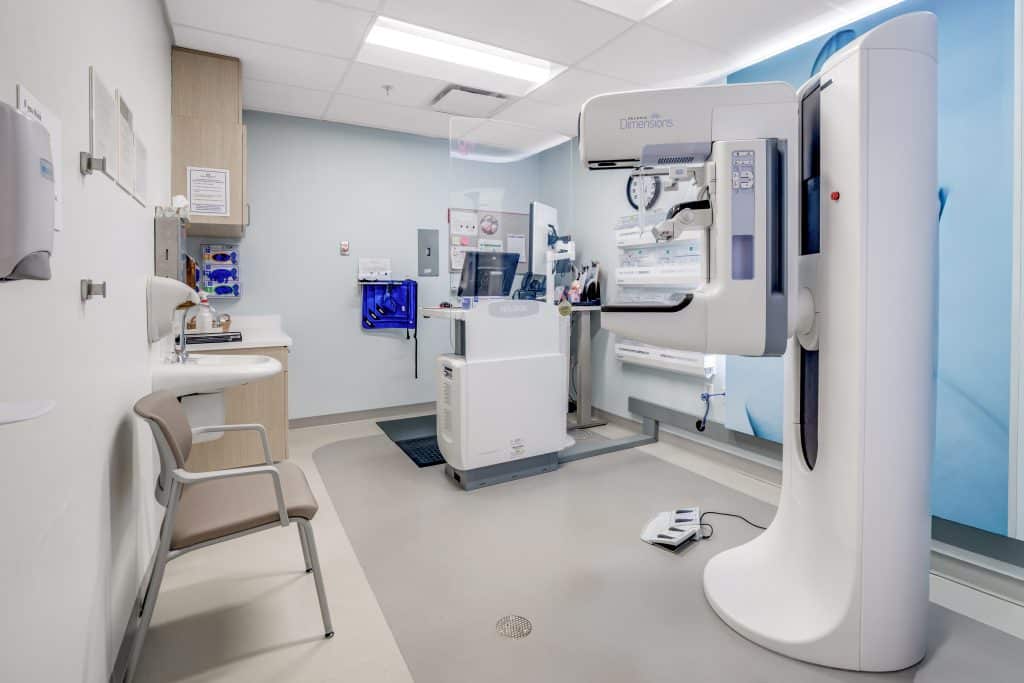
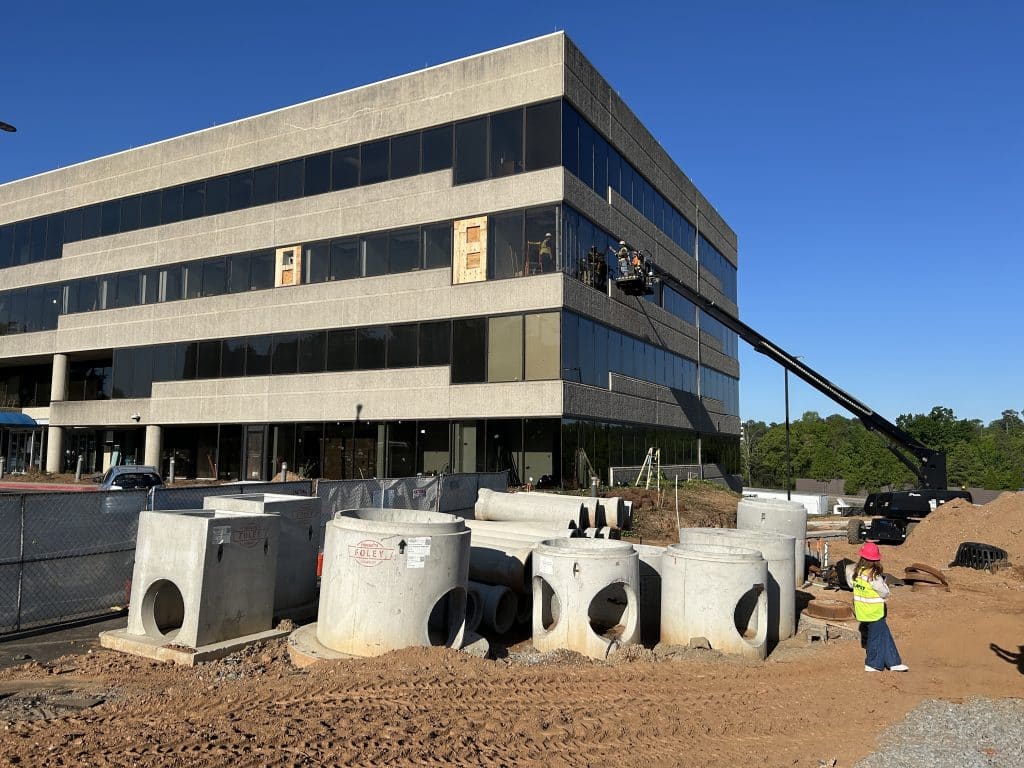
The 93,000 SF five-floor renovation included extensive interior construction and exterior upgrades, all while the building remained fully operational. From the earliest preconstruction conversations, the client made one expectation clear: the facility could not be shut down or taken offline during normal business hours. Patients would continue to receive medical care in the building throughout construction, and Leapley had to safely coordinate work around them. Weekend and after-hours work allowed the team to make significant progress around this constraint, but it could only take them so far.

That meant the only path forward was precision planning.

Nine Months of Planning for Eight Days of Execution 

Well before construction reached a critical point, the Leapley team began mapping a systems shutdown that would allow major infrastructure upgrades to occur safely and efficiently. The result was an eight-day, carefully sequenced electrical shutdown executed during Thanksgiving week – from November 22 through November 30.

While the team communicated early that a controlled shutdown would eventually be necessary, the client was initially opposed. Over months of coordination — including extensive weekend and after-hours work that demonstrated the team’s ability to plan and execute in an active environment — trust was established. With that foundation, the team presented a detailed shutdown plan built around a tightly controlled holiday window. After extensive review among multiple stakeholders, the client agreed under one condition: all critical work had to be completed within the strict eight-day window, with no disruption to patient operations outside of that timeframe.

This approach was highly unusual. The client almost never approved full shutdowns, particularly in medical environments.

Every move was planned in advance.

Plumbing was installed overnight around active exam rooms. Mechanical systems remained online while selective cutouts were created to route new plumbing without disrupting service. During the shutdown, systems were taken offline and restored in carefully sequenced phases across floors, allowing the team to complete critical tie-ins while maintaining control of risk.

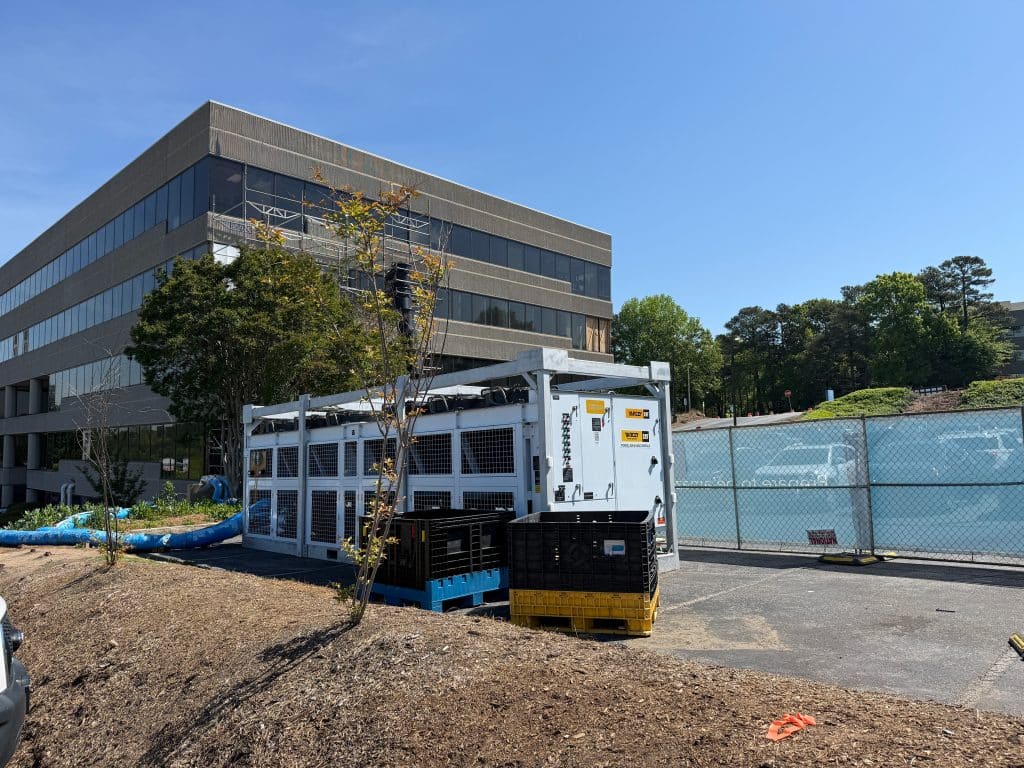
The shutdown plan itself took nearly nine months to develop, coordinate, and validate — down to temporary power strategies, contingency protocols, and detailed task handoffs. The plan governed every hour of work during that eight-day window.

Round-the-Clock Execution, Controlled Outcomes

During the shutdown window, Leapley crews worked in continuous shifts to execute the plan exactly as designed. The schedule left no room for error, and each activity had to be completed in sequence to keep the overall switchover on track.

The success of the shutdown came down to control.

Each task depended on the one before it. Every system tie-in was scheduled to the hour. Power was shut down, rerouted, restored, and tested in phases across multiple floors. Trades worked in coordination, following a plan that accounted for constraints before they became issues.

By the end of the eight-day window, the infrastructure upgrades were complete and the building was fully operational—on schedule, without unplanned outages, and without any safety incidents.

A Model for Live-Environment Renovations

This shutdown was not about pushing harder; it was about planning and executing within the realities of an active healthcare environment. 

Healthcare renovations require a different level of coordination, foresight, and accountability. This project demonstrated what’s possible when teams take the time to understand constraints, build alignment, and execute with discipline. 

For Leapley, this MOB renovation reinforced a core belief: going beyond the build means earning trust, proposing bold solutions when needed, planning exhaustively, and following through with disciplined execution, especially when the margin for error is zero.  

“The challenge wasn’t working around-the-clock shifts — it was safely taking a live medical building offline in phases, rebuilding critical systems, and bringing everything back online without disrupting patient care. That only happens when the entire team — our trade partners, field crews, and office staff — commits fully to the plan and executes together.”
Zane Power
Senior Project Manager

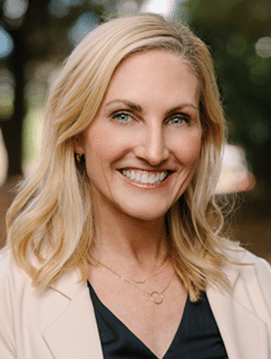
HEATHER RICH

Vice President

Heather Rich is an accomplished leader with 23 years of experience in design and construction operations. A former President of CREW Atlanta, Heather Rich is well-known in the Atlanta commercial real estate community for her expertise in delivering complex projects. For 16 years, Heather has strengthened Leapley’s reputation as an expert contractor by building exceptional spaces for global brands like NCR, Equifax, Siemens, and Visa. She is a quick-paced and results-oriented leader who is as meticulous in her efforts to solve client challenges as she is in developing operational talent in the Leapley organization and mentoring the next generation of project leaders. With industry insight and strong relationships in the Atlanta commercial real estate community, Heather delivers competitive pricing while leading operational teams to deliver superior results for Leapley’s clients and trade partners.

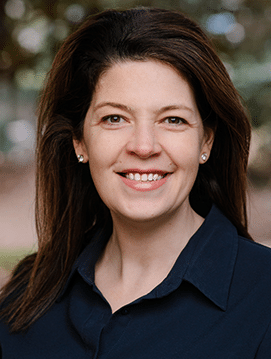
BRIDGET MASSENGILL

Vice President

With 15 years spent working in the commercial interiors industry in Atlanta, Bridget supports Leapley’s growth in the company’s key market segments by strengthening partnerships in the industry, establishing new business relationships to increase project opportunities and leading work-winning efforts. She works closely with Leapley’s operations leaders to implement and execute Leapley’ s business development strategy and achieve the company’s strategic revenue and profitability goals. ​​​​​​​

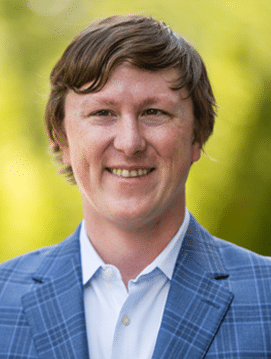
DAVID GOODSON

Senior Vice President / Principal

David Goodson is an accomplished operational leader with 14 years of experience delivering complex construction and capital improvement projects. Leveraging his background in facility management for Norfolk Southern and The Coca-Cola Company, David joined Leapley Construction in 2019 to lead commercial construction projects for global brands in the metropolitan area. Under his leadership, Leapley Construction successfully built the 523,000 SF Microsoft Atlanta corporate campus – the largest project in Leapley Construction’s history – while achieving 52% diverse supplier inclusion and earning significant industry recognition. As Vice President, David leads project teams to deliver complex commercial construction projects for high-profile clients while improving operational efficiencies and implementing strategic initiatives  to support the company’s continued growth and sustainability.  

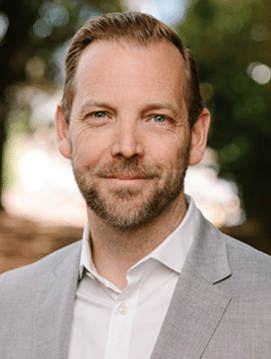
MARK CLEVERLY

Executive Vice President / Principal

With 30 years of construction experience, Mark is an accomplished leader with in-depth expertise in Leapley Construction’s core institutional markets. Originally from the suburbs of London, UK, Mark earned a degree in Quantity Surveying from Anglia Polytechnic University. He held multiple roles in the construction industry with various UK general contractors before moving to the United States in 2012. Mark deepened his estimating, preconstruction, and project management expertise in the local Atlanta market through multiple projects for large healthcare organizations like Piedmont, Northside, and Emory. Passionate about community building, Mark has been extensively involved in the Associated Builders and Contractors (ABC) of Georgia, serving on multiple committees and the Board of Directors, eventually assuming the role of Chairman for a term in 2022. Mark co-hosts the Building Leaders Radio Hour Podcast, sharing industry insights from construction leaders.

ALAN SCOGGINS

President

Alan discovered his passion for construction as a student at Auburn University – through civil engineering coursework and field experience with the cooperative education program. In the 17 years that followed, he managed many healthcare construction projects for a national general contractor before joining Leapley Construction in 2011 to manage operations of the growing business. Alan is a hands-on leader, a focused and decisive builder, and an advocate for sustainability. Since 2012, he has served on the board of directors for the Lifecycle Building Center to promote the reuse of construction materials and reduce construction waste in landfills. Under his leadership, Leapley safely delivers award-winning projects on-time and within budget in three focused commercial interior markets.

MEREDITH LEAPLEY

CEO & Founder

Recognized as a Most Admired CEO by the Atlanta Business Chronicle, an Outstanding Woman in Construction by Construction Business Owner Magazine and one of Atlanta’s “Top 500” leaders by Atlanta Magazine, Meredith Leapley leads with integrity and compassion. Raised in Maryland, Meredith moved to Atlanta in 1999 and founded Leapley Construction to prioritize people throughout construction. Since then, through her involvement with CREW Atlanta, WBENC, CoreNet, Big Brothers Big Sisters, GSU WomenLead, Atlanta Women’s Foundation and Crafting Futures Together, she has maintained that focus and nurtured the business to deliver meaningful impacts to the community while earning annual revenues in excess of $120 Million.